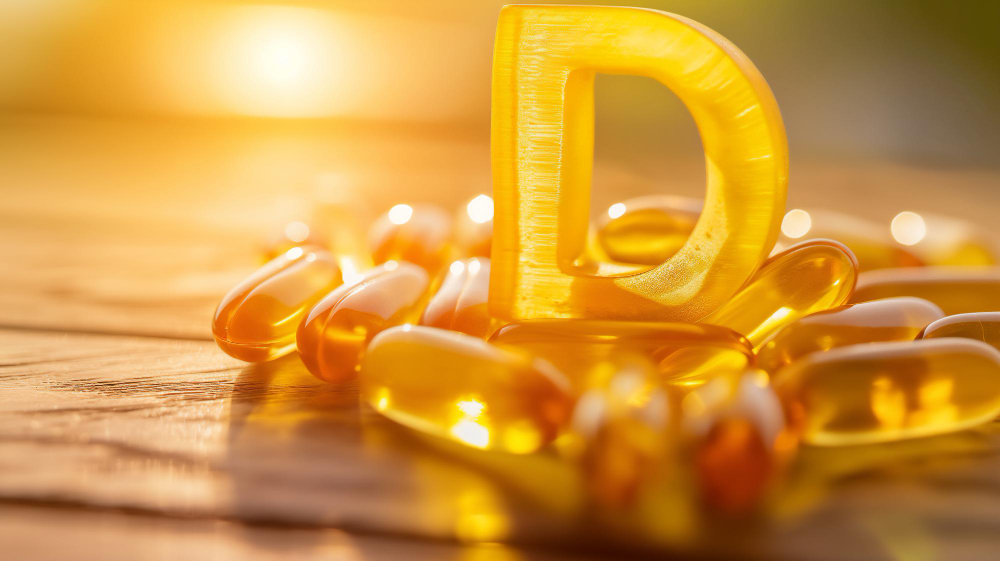
Vitamin D is vital for your health. Many people have vitamin D deficiency and may not know it. This can lead to weak bones, tiredness, and other health issues. Because vitamin D affects many body functions, it is important to check if you are getting enough. In this blog, you will learn about the signs of low vitamin D, how to increase vitamin D naturally, and when to seek help. Understanding vitamin D can help you stay healthy and avoid problems.
Vitamin D is a nutrient your body needs to stay healthy. It helps your body absorb calcium, which keeps your bones and teeth strong. Also, vitamin D supports your immune system, so you can fight off infections. Without enough vitamin D, your body cannot work as it should. For example, you may feel weak or get sick more often. According to the CDC, vitamin D is important for people of all ages.
Sometimes, signs of low vitamin D are easy to miss. However, knowing the symptoms can help you take action early. Here are some common signs:
If you notice these symptoms, you may want to ask your doctor about vitamin D testing.
There are many reasons why someone might have vitamin D deficiency. Some people are more at risk than others. For instance, you may be at higher risk if you:
Because these factors can add up, it is important to know your own risk.
Doctors use a simple blood test to check your vitamin D level. This is called vitamin D testing. The test measures the amount of vitamin D in your blood. If your level is low, your doctor may suggest ways to raise it. Sometimes, more tests are needed to find the cause. According to the WHO, regular testing is helpful for people at risk.
If you have vitamin D deficiency, treatment is simple. Your doctor may suggest:
To prevent low vitamin D, try to get enough sun and eat a balanced diet. However, always follow your doctor’s advice before starting supplements.
There are easy ways to keep your vitamin D at a healthy level. For example, you can:
Because everyone’s needs are different, your doctor can help you find the best plan. If you wonder how to increase vitamin D naturally, these steps can help.
In summary, if you have symptoms of vitamin D deficiency or belong to a high-risk group, see your doctor. Early testing and treatment can prevent health problems. If you are unsure about supplements or diet changes, your doctor can guide you. Remember, only a healthcare professional can give you advice that fits your needs.
Consult a healthcare professional at Sri Ram Diagnostic Centre for personalized advice on Vitamin D. Our specialists are here to provide you with the best care and guidance to manage your vitamin D levels effectively.