
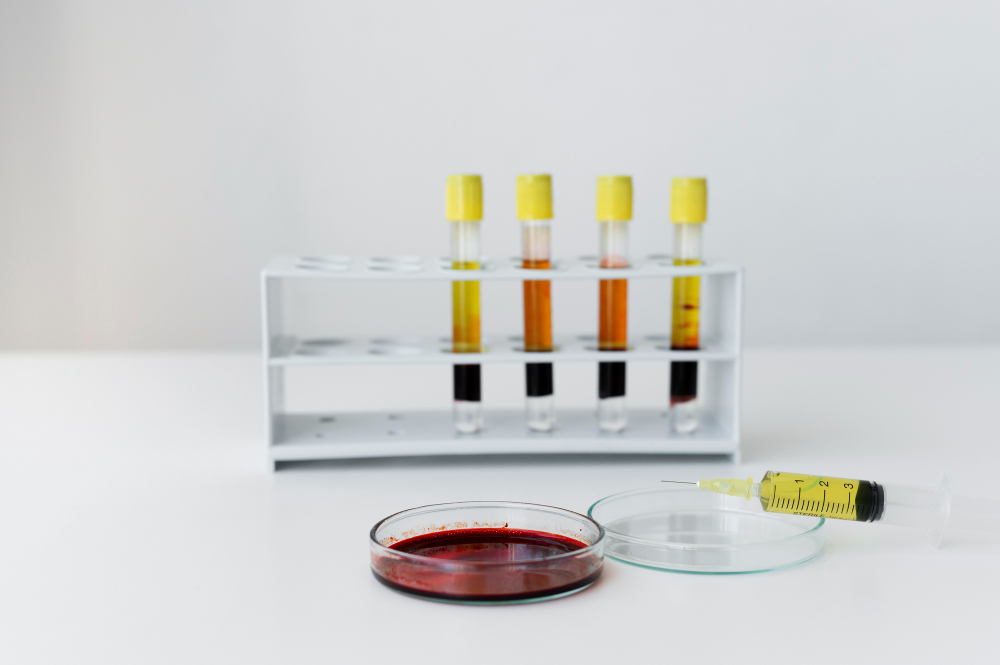
The Erythrocyte Sedimentation Rate (ESR) is a simple blood test. It helps doctors check for inflammation in your body. Many people know it as the ESR blood test. This test is important in pathology because it can show if something is wrong, even if you have no symptoms. Doctors often use ESR to help find the cause of unexplained symptoms. You may wonder about normal ESR levels or the ESR test meaning. This blog will explain everything you need to know about ESR, including what your results mean.
ESR stands for Erythrocyte Sedimentation Rate. Erythrocytes are red blood cells. The test measures how fast these cells settle at the bottom of a test tube. Usually, red blood cells settle slowly. However, if there is inflammation, they may settle faster. This rate is measured in millimeters per hour (mm/hr). A higher rate often means there is inflammation somewhere in your body. Still, ESR does not show the exact cause of the problem.
Doctors order the ESR test for many reasons. For example, it helps find out if you have inflammation. Sometimes, it helps track the progress of certain diseases. In addition, it can help check how well treatment is working. Common reasons for an ESR blood test include:
Although ESR is helpful, it is not a specific test. It cannot tell exactly what is wrong. But, it gives doctors a clue that something may need more attention.
The ESR test is simple and quick. First, a healthcare worker takes a small blood sample from your arm. Then, the blood is placed in a tall, thin tube. Over one hour, the red blood cells settle to the bottom. The lab measures how far they fall in millimeters. This number is your ESR result. The test is safe and usually causes little discomfort. You can get an ESR test in most clinics and hospitals. In many cities, ESR testing is available at local labs.
ESR results can be normal, high, or low. Each result gives doctors different clues. Here is what your ESR results may mean:
However, ESR alone cannot diagnose a disease. Doctors use it along with other tests and your symptoms to find the cause. If your ESR is high or low, your doctor may order more tests.
Many things can change your ESR results. For instance, age and sex play a role. Women and older adults often have higher ESR. Other factors include:
Because of these factors, doctors look at your full health picture before making decisions. Always tell your doctor about any medicines or health changes before your test.
Your doctor may suggest an ESR test if you have symptoms like:
Sometimes, doctors use the ESR test to monitor ongoing conditions. For example, if you have arthritis, your doctor may check your ESR to see if your treatment is working. If you need an ESR test in your city, most labs can help you quickly.
Getting ready for an ESR test is easy. Still, here are some tips to help:
After the test, you can return to your normal activities. If you have questions, ask your healthcare provider.
In summary, the Erythrocyte Sedimentation Rate (ESR) test is a helpful tool for finding inflammation. It is simple, safe, and widely used. However, it is only one part of your health picture. Consult a healthcare provider at AR HEALTH CARE DIAGNOSTIC for personalised guidance and accurate interpretation of your ESR test results.