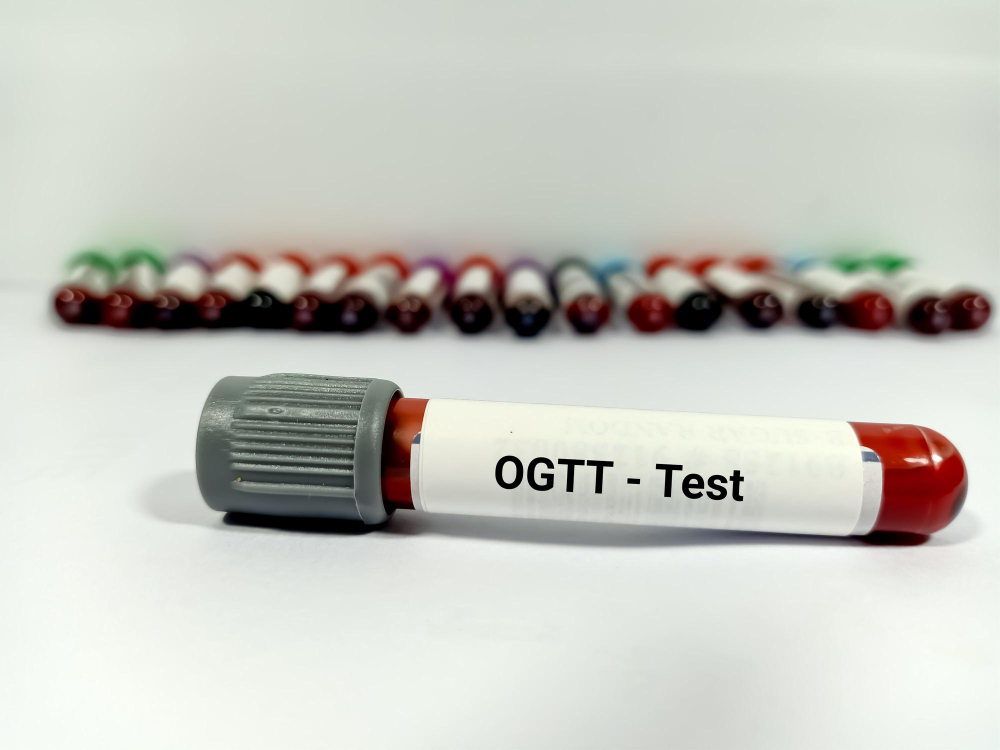
The oral glucose tolerance test (OGTT) is a simple blood test. It checks how your body handles sugar. Doctors often use this test to help diagnose diabetes or prediabetes. During the OGTT, you drink a sweet liquid. Then, your blood sugar is measured at set times. Because the test tracks how your body processes sugar, it gives important clues about your health. The OGTT is safe and widely used around the world. According to the World Health Organization (WHO), it is a key tool for finding problems with blood sugar.
Doctors order the oral glucose tolerance test for several reasons. Most often, it helps check for diabetes or prediabetes. Sometimes, it is used during pregnancy to screen for gestational diabetes. In addition, the OGTT can help find other rare blood sugar issues. You may need this test if:
Because the OGTT gives detailed results, it is very helpful for doctors.
Proper preparation helps ensure accurate OGTT results. Before your test, your doctor will give you clear instructions. Usually, you should:
Because some medicines can affect your results, your doctor may ask you to stop them for a short time. Always follow your doctor’s advice on how to prepare for OGTT.
The OGTT procedure is simple and takes about two to three hours. Here is what you can expect:
Because the test involves several blood draws, you may want to bring a book or music to pass the time.
OGTT results show how your body handles sugar over time. Your doctor will look at your blood sugar levels at each step. Here is what the results may mean:
For example, a fasting blood sugar below 100 mg/dL is usually normal. A two-hour level below 140 mg/dL is also normal. However, higher numbers may suggest diabetes or prediabetes. Because many factors can affect your OGTT results, your doctor will explain what your numbers mean for you. For more details, you can visit the CDC or WHO websites.
The oral glucose tolerance test is safe for most people. However, like any blood test, there are small risks. You may feel a little pain or bruising where the blood is drawn. Rarely, some people feel dizzy or sick after drinking the sweet liquid. If you have a history of low blood sugar, let your doctor know. Because the test uses a standard amount of sugar, it is safe for most people, including pregnant women. If you feel unwell during the test, tell the nurse right away.
If you have symptoms like thirst, tiredness, or frequent urination, talk to your doctor. Also, if you have a family history of diabetes, you may need the oral glucose tolerance test. Because early detection helps prevent problems, do not wait if you have concerns. Your doctor can explain if the OGTT is right for you and how to prepare for OGTT. For personalized advice about the oral glucose tolerance test, consult at Sri Ram Diagnostic Centre.