
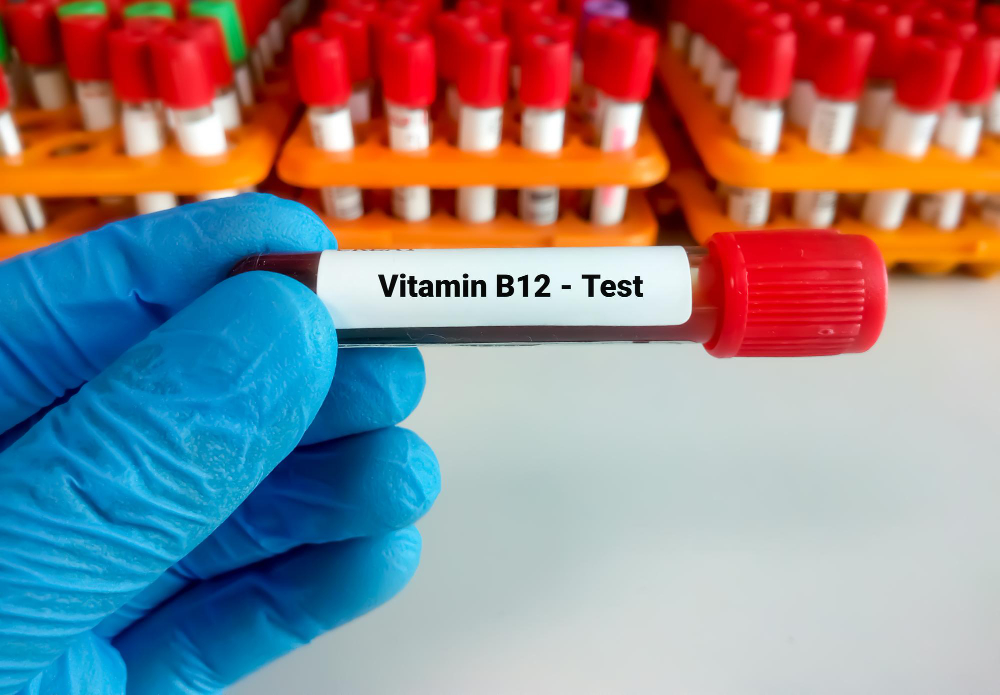
Vitamin B12 is a key nutrient that helps your body make energy. During cold weather, many people feel tired and sluggish. However, getting enough Vitamin B12 can help boost your energy levels in cold weather. This vitamin supports your body’s ability to fight winter tiredness and helps in preventing fatigue with Vitamin B12. In this blog, you will learn about Vitamin B12 benefits in winter, how it helps with cold weather nutrition, and ways to keep your energy up all season long.
Vitamin B12 is a water-soluble vitamin. It helps your body make red blood cells and keeps your nerves healthy. In addition, it plays a big role in turning the food you eat into energy. Your body cannot make Vitamin B12 on its own, so you must get it from food or supplements. Most animal foods, like meat, eggs, and dairy, are good sources of Vitamin B12.
Cold weather can make you feel more tired than usual. For example, shorter days and less sunlight can lower your mood and energy. But Vitamin B12 helps your body stay strong and alert. It supports your immune system, which is important for fighting off winter illnesses. Also, Vitamin B12 helps prevent winter tiredness by keeping your red blood cells healthy. This means your body can carry oxygen better, so you feel less tired.
If you do not get enough Vitamin B12, you may notice some signs. These symptoms can get worse in winter when your body needs more energy. Watch for:
If you notice these symptoms, it is important to talk to your doctor.
There are several reasons why someone may have low Vitamin B12. For instance, some people do not eat enough foods with Vitamin B12. Others may have trouble absorbing it from food. Older adults, people with stomach problems, and those who follow a vegan or vegetarian diet are at higher risk. In cold regions, people may eat fewer fresh foods, which can also lower Vitamin B12 intake.
If you have symptoms of low Vitamin B12, your doctor may suggest a blood test. This test checks the level of Vitamin B12 in your blood. Sometimes, your doctor may also check other markers, like folate or homocysteine. Early diagnosis is important because long-term deficiency can cause nerve damage. According to the CDC, regular testing is helpful for people at risk.
Treatment for Vitamin B12 deficiency depends on the cause. If your levels are low, your doctor may suggest:
Good sources of Vitamin B12 foods include:
For people who do not eat animal products, fortified foods or supplements are important.
Staying energetic in winter takes more than just Vitamin B12. Still, these tips can help:
In colder regions, you may need to plan meals ahead to include more Vitamin B12 foods.
Preventing Vitamin B12 deficiency is easier than treating it. For example, you can:
According to the World Health Organization, regular intake of Vitamin B12 is important for everyone, especially in winter.
In summary, Vitamin B12 is the energy booster you need in cold weather. It helps prevent winter tiredness, supports your immune system, and keeps you feeling your best. If you have questions about Vitamin B12 or your winter health, consult a healthcare professional at Sri Ram Diagnostic Centre for personalized advice on Vitamin B12 and your winter health needs. Our specialists are here to guide you towards a healthier and more energetic winter season.