
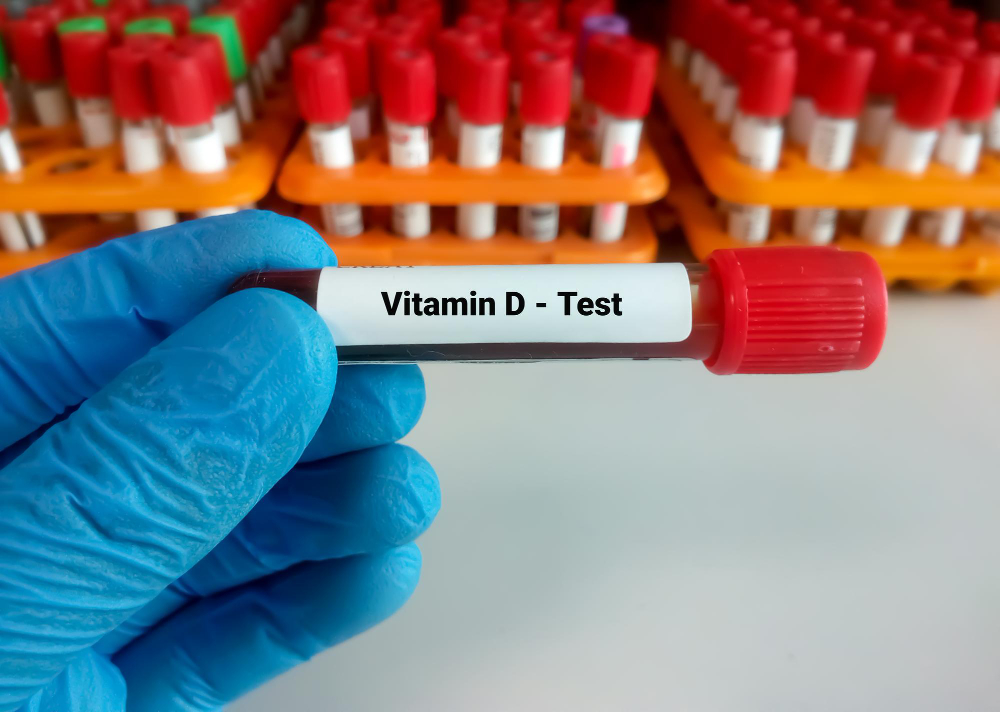
As winter arrives, many people worry about staying healthy. One key factor is Vitamin D for immune system in winter. This vitamin helps your body fight off colds and flu. However, shorter days and less sunlight can make it harder to get enough Vitamin D. Because of this, it is important to know how to keep your levels up during the colder months.
Vitamin D plays a big role in your immune system. For example, it helps your body make proteins that fight germs. According to the CDC, people with enough Vitamin D are less likely to get sick. In addition, this vitamin can lower your risk of infections, especially in winter. So, boosting immunity in cold weather often starts with keeping Vitamin D levels healthy.
Many people have low Vitamin D during winter. This happens for several reasons:
Because sunlight helps your body make Vitamin D, these factors can lead to a drop in your levels. As a result, Vitamin D deficiency prevention becomes even more important in winter.
Low Vitamin D can cause many health problems. Some common symptoms include:
Over time, low Vitamin D can also increase your risk of bone loss and infections. According to the WHO, children and older adults are at higher risk. Therefore, it is important to watch for these signs, especially in winter.
There are several ways to keep your Vitamin D levels healthy during winter. Here are some winter Vitamin D tips:
Because everyone is different, talk to your doctor before starting any new supplement.
Staying healthy in winter takes a little planning. Here are some prevention strategies for winter wellness:
With these steps, you can help your body stay strong all season long.
In summary, sometimes, you may need extra help. If you notice signs of low Vitamin D or get sick often, talk to your doctor. In addition, if you have health conditions or take certain medicines, ask about your Vitamin D needs. Your doctor can check your levels and suggest the best plan for you.
Consult a healthcare professional for personalized Vitamin D advice this winter at Sri Ram Diagnostic Centre. Our experts are here to guide you towards optimal health and wellness.